
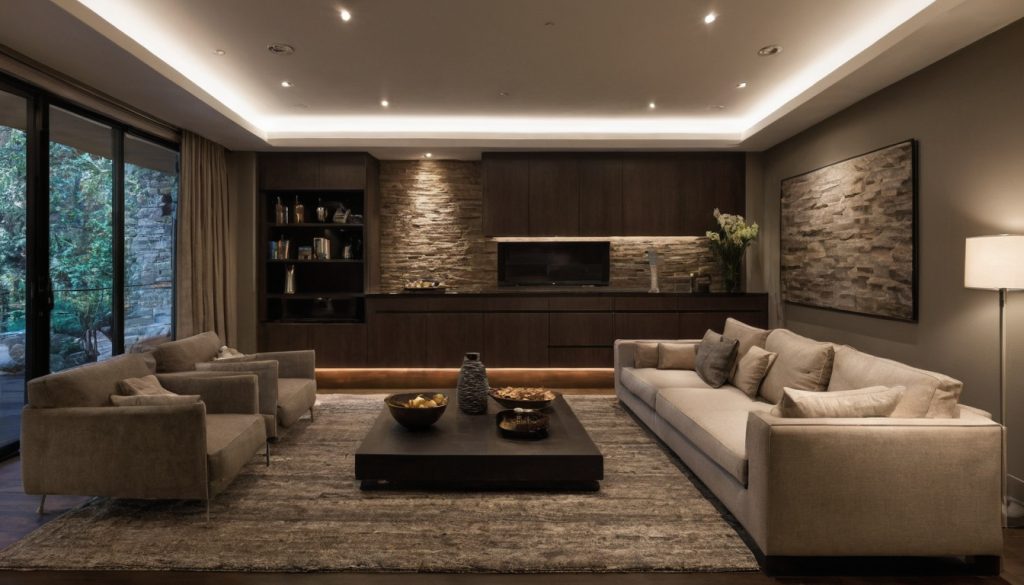
A four-figure sofa order can be decided in one showroom visit, but the room may spend years proving whether that decision was measured. Treat the sofa as a procurement hold point: before money is committed, the living room decor plan should prove circulation, focal point, rug size, table reach, lighting, delivery access, fabric performance, and lead-time risk.
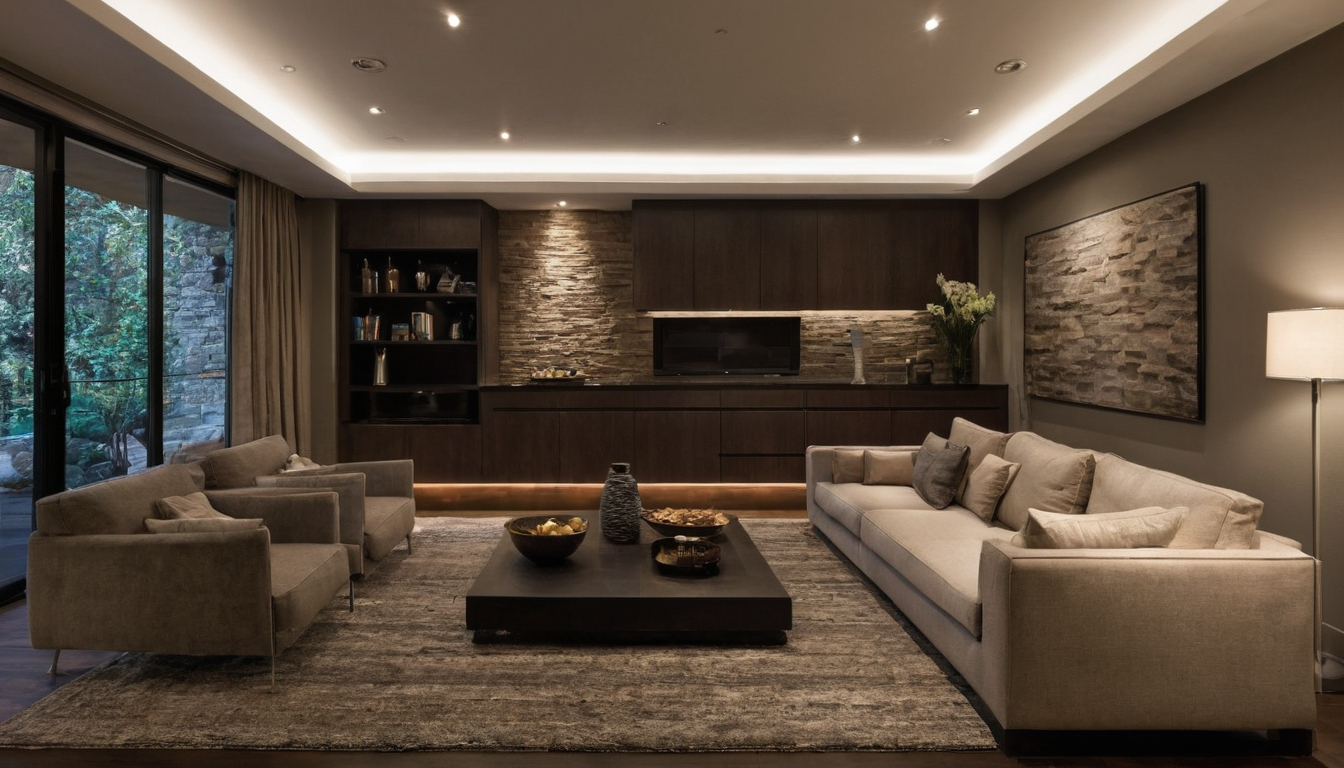
Living Room Decor Decisions That Should Be Settled Before Buying a Sofa shown with finish, fixture, and clearance relationships visible.
-
The living room purpose should be fixed before sofa shopping starts
The living room purpose determines the sofa more reliably than style preferences do, because television viewing, conversation, entertaining, children’s play, reading, work overflow, and guest sleeping each change depth, firmness, fabric, layout, and traffic priorities.
Who will use the living room sofa every day?
- Older adults or upright sitters: choose a supportive cushion, moderate seat depth, and arms that help standing rather than a low, deep lounge profile.
- Children, pets, and food use: prioritize cleanable upholstery, fewer dirt-catching seams, and enough open floor for play or pet movement.
- Guests or occasional sleeping: test full sofa length, cushion gaps, and whether a sleeper mechanism would block circulation when open.
What focal point controls the living room furniture plan?
The focal point should be named before the sofa faces anything: television, fireplace, window view, artwork wall, or a conversation circle. Open-plan rooms often need the sofa to define a zone; enclosed rooms usually need the sofa to respect door swings and wall lengths.
Competing focal points need a hierarchy. A TV plus fireplace may require chairs to complete the angle, while a reading room needs lamp positions as much as seat comfort. For lighting plans using qualified LEDs, ENERGY STAR states they use at least 75 percent less energy and last up to 25 times longer than incandescent lighting. Once the use and focal point are fixed, the next risk is physical fit: circulation and delivery access.
-
Living room circulation and delivery access should be measured before choosing sofa size
The living room sofa should fit both the finished room and the route into it. For existing homes, apartments, and renovations, the decision depends on walkways, door swings, stair turns, lift dimensions, hallway widths, and ceiling heights. A sofa that looks correct on plan can still fail at delivery or make circulation feel cramped.
What clearances should be checked around a living room sofa?
Circulation checks should happen on a measured floor plan before a sofa length or chaise side is chosen. Use these ranges as practical residential planning targets, then adjust for mobility needs, children, pets, and how often the room handles guests.
- Primary walkway: keep about 36 to 42 inches where people pass through the room.
- Secondary path: allow about 24 to 30 inches beside occasional chairs, side tables, or the back of a sofa.
- Sofa to coffee table: leave about 14 to 18 inches so knees, trays, and cleaning access still work.
- Side table reach: place the table close enough for a seated person to set down a glass without twisting, with the top near sofa arm height.
- Door and cabinet swing: draw the arc of doors, media cabinets, storage drawers, and fireplace tools before accepting the layout.
If the living room includes valuable art, books, or collections, access planning also protects objects from handling damage. The National Park Service Museum Handbook treats preservation, documentation, access, and use as linked concerns for collections planning.
Can the sofa be delivered through the building before it is ordered?
Delivery access should be measured as a procurement risk, not checked after payment. Record door widths, hallway widths, stair widths, landing depth, lift size, ceiling height, tight turns, and the diagonal clearance at each pinch point. Compare those dimensions with the packaged sofa, not only the showroom dimensions.
Long one-piece sofas, deep sectionals, high fixed arms, fixed backs, and recliner mechanisms create the highest delivery risk. Modular sofas can reduce that risk because smaller sections turn through narrow halls and lifts more easily, but only if connector positions and finished dimensions still suit the plan. Once access is proven, the next hold point is configuration: the living room layout should choose the sofa shape, not the showroom set.
-
The sofa configuration should follow the living room layout, not the showroom set
The living room configuration should be tested before choosing between a straight sofa, sectional, chaise, two sofas, or chairs. In compact rooms, open-plan rooms, and TV-focused rooms, the right sofa preserves circulation, provides enough seats, fits the rug, and supports the focal point without blocking doors or windows.
Does the living room need a straight sofa, sectional, chaise, or sofa with chairs?
A straight sofa is the safest default when the room has several openings, mixed uses, or uncertain future furniture. Typical apartment sofas run about 72 to 78 inches long, standard three-seat sofas often sit near 84 to 96 inches, and loveseats usually fall near 52 to 64 inches. This format leaves room for chairs, side tables, and later changes.
A sectional works when one corner can own the seating zone without cutting across a doorway, fireplace approach, or balcony path. L-shaped sectionals and chaise sofas add lounging length, often with total runs around 90 to 120 inches or more, but they reduce flexibility. Sofa-plus-chairs usually suits narrow rooms, bay-window rooms, and conversation layouts better than a fixed showroom corner.
How should the 2/3 sofa rule be used in a living room?
The 2/3 sofa rule is a proportion check, not a purchase instruction. It commonly means the sofa should be about two-thirds the length of the wall, media unit, or main rug zone it sits with. The rule helps prevent a small sofa floating under a long wall or a long sofa crowding a short elevation.
The rule fails when circulation, windows, radiators, door swings, or TV distance control the room. In a TV-focused room, the seating distance should suit the screen size and sightline before the sofa length is finalized.
What rug size should be chosen before the sofa is ordered?
The rug decision should come before the sofa order because rug size defines the seating island. Common living room rugs include 5 by 8, 8 by 10, and 9 by 12 feet. An all-legs-on layout needs the largest rug; a front-legs-on layout suits many standard sofas; a floating rug often looks undersized unless the room is very compact.
An undersized rug makes the sofa look heavier and forces coffee tables, chairs, and ottomans into awkward gaps, which is why the next hold point is reach, storage clearance, and table placement.
-
Side tables, coffee tables, and storage should be planned before sofa depth and arms
The living room support furniture should be located before final sofa dimensions are chosen. Coffee tables, side tables, ottomans, shelving, and media storage affect seat depth, arm height, circulation, and daily usability, especially in smaller rooms where a deep sofa can consume the space needed for reach, movement, and storage.
Can a seated person reach a drink, book, lamp, or remote from the sofa?
Side-table height should relate to sofa arm height, not to the table seen in a showroom vignette. A practical side table usually lands level with the sofa arm or within about 2 inches above or below it, so a seated person can set down a glass without twisting or leaning across a wide arm.
Coffee-table height should relate to sofa seat height. Most living rooms work best when the coffee table is roughly level with the seat cushion or slightly lower, with about 14 to 18 inches between sofa and table for leg movement. Coffee-table length often works at about one-half to two-thirds of the sofa length, unless ottomans or side chairs need the central space.
Will ottomans, recliners, and storage pieces still open after the sofa arrives?
Moving furniture needs its own operating zone. Recliners need extension clearance in front and often wall clearance behind, lift-top coffee tables need space to rise toward the seated user, and storage drawers need full pullout depth plus room for knees or standing access.
Media cabinets, toy storage, and blanket drawers should be tested on the floor plan before choosing deep arms, a chaise, or a bulky sectional corner. If storage cannot open after the sofa lands, the room will feel crowded even if the seating technically fits. Once support furniture works, the next hold point is lighting and electrical positions before the sofa location becomes fixed.
-
Lighting and electrical positions should be settled before locking the sofa location
The living room lighting plan should be coordinated with the sofa before ordering, especially during renovation or fitout work. Floor lamps, reading lamps, wall lights, pendants, outlets, and switching all depend on where people sit. Moving the sofa after electrical work can leave lamps poorly placed, cords exposed, and reading areas underlit.
Where should living room reading and task lights sit in relation to the sofa?
Reading light should fall over the seated person’s shoulder, not into the person’s eyes or across a television screen. A table lamp usually works best when the shade sits near seated eye level, while a floor lamp should relate to the sofa arm and side table rather than stand in a leftover corner.
Layer the room before choosing the sofa’s final position: ambient light for general use, task light for reading, accent light for artwork or shelving, and decorative light for atmosphere. Check glare at night from the main seats, including reflections in windows, framed art, and screens.
When should outlets and floor boxes be planned for a living room sofa?
Outlet planning should happen before electrical rough-in, flooring installation, or built-in joinery. A floating sofa may need a floor box for a lamp or charger, while a wall-backed sofa may need outlets clear of the frame, recliner mechanism, and side tables.
Electrical work must follow local code and should be completed by licensed professionals where required. Once the sofa location proves the lighting and power plan, the next procurement risk is the sofa itself: fabric, sunlight exposure, cleaning, lead time, and return rules.
-
Sofa fabric and procurement choices should follow durability, sunlight, and lead-time risks
The living room sofa fabric should be chosen after the room’s maintenance burden and procurement constraints are clear. In homes with children, pets, strong sunlight, short project timelines, or tight budgets, upholstery performance, cleanability, colorfastness, warranty terms, and delivery lead times matter as much as color and texture.
What fabric performance should a living room sofa have for children, pets, or heavy use?
Upholstery durability should be read as a set of conditions, not a single rub-count badge. The Association for Contract Textiles identifies Wyzenbeek and Martindale as common abrasion test methods, but ACT also cautions that abrasion results alone do not predict actual fabric lifespan. Claws, grit, sunlight, body oils, spills, cushion construction, and cleaning habits still decide how the sofa ages.
- W: usually means water-based cleaning is allowed, useful for many family rooms with food and drink.
- S: means solvent cleaning, which can be less forgiving for casual spot cleaning.
- WS: allows water-based or solvent methods, depending on the stain and fabric guidance.
- X: means vacuuming or professional care only, a poor fit for high-spill households.
Sun exposure should narrow the fabric choice before the order is placed. Sofas near large west-facing glazing, skylights, or unshaded doors need better fade resistance, lined curtains, solar shades, or a darker-room location.
How do lead times and return rules change the sofa decision?
Procurement risk changes with the order type. In-stock sofas usually carry the least schedule risk, while special-order, made-to-order, custom, modular, and imported sofas can tie the room to longer lead times, stricter cancellation windows, fabric variance disclaimers, restocking fees, and limited returns.
The purchase file should include the final fabric name, cleaning code, module list, delivery dimensions, warranty terms, cancellation deadline, and who pays for failed delivery. Settle those points before rugs, curtains, floor boxes, and styling purchases depend on a sofa that may arrive late, arrive different, or become impossible to return.
FAQ
What should be decided before buying a sofa for a living room?
Decide the room purpose, focal point, circulation routes, delivery route, seating configuration, rug size, table reach, lighting positions, outlet needs, fabric performance, and return terms before buying the sofa. Those decisions control the sofa size, arm style, depth, upholstery, and module list.
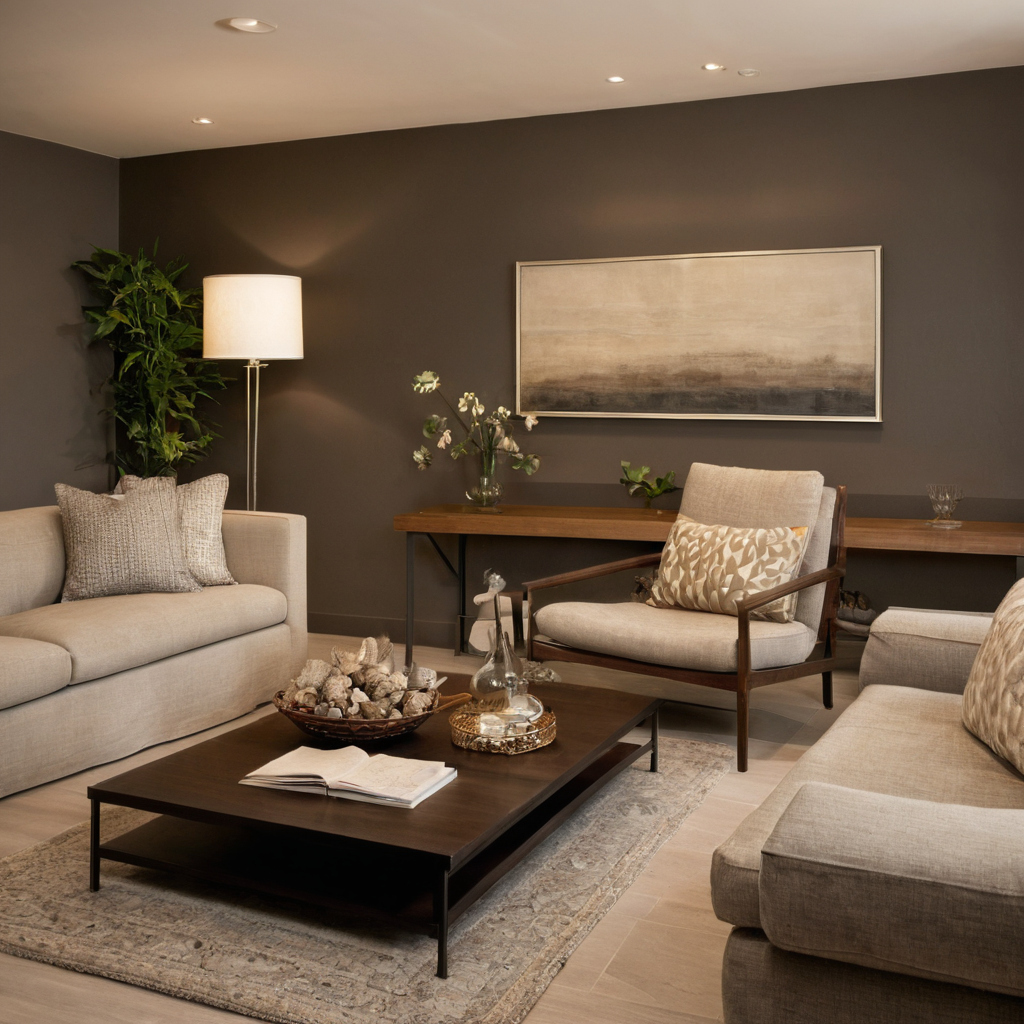
Decide the room purpose, focal point, circulation routes, delivery route, seating configuration, rug size, table reach, lighting positions shown as a planning reference for layout, scale, and material decisions.
What is the 2/3 rule for sofas, and when does it not work?
The 2/3 rule is a proportion guide that often places the sofa at about two-thirds the length of the wall, media unit, or rug zone. The rule does not work when door swings, radiators, windows, TV sightlines, access routes, or room width require a different size.
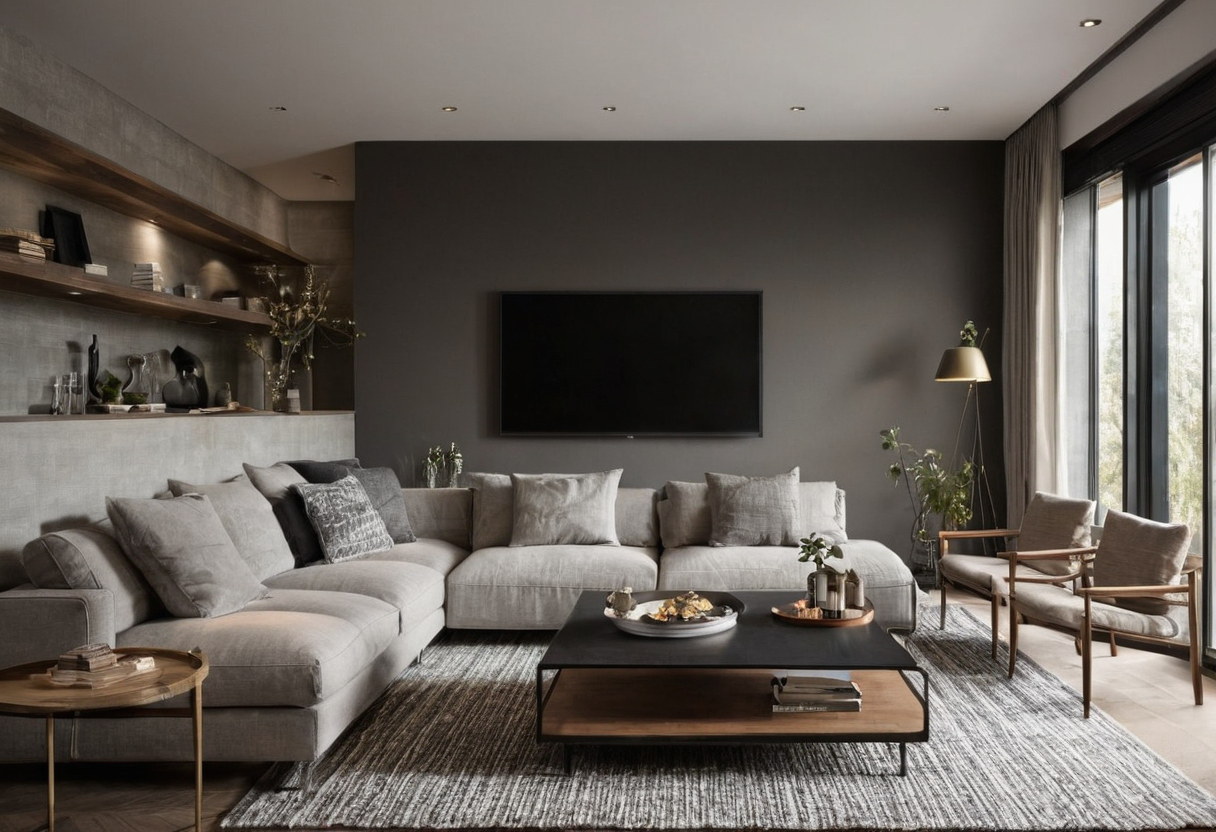
The 2/3 rule is a proportion guide that often places the sofa at about two-thirds the length of the wall, media unit, or rug zone shown with finish, fixture, and clearance relationships visible.
What is the 2-2-1 sofa or seating rule for a living room?
The 2-2-1 idea usually means two seats on one sofa, two seats on another sofa or loveseat, and one accent chair. Use it as a seating balance test, not a fixed formula. In a narrow room, one sofa with two chairs may work better than two bulky sofas.
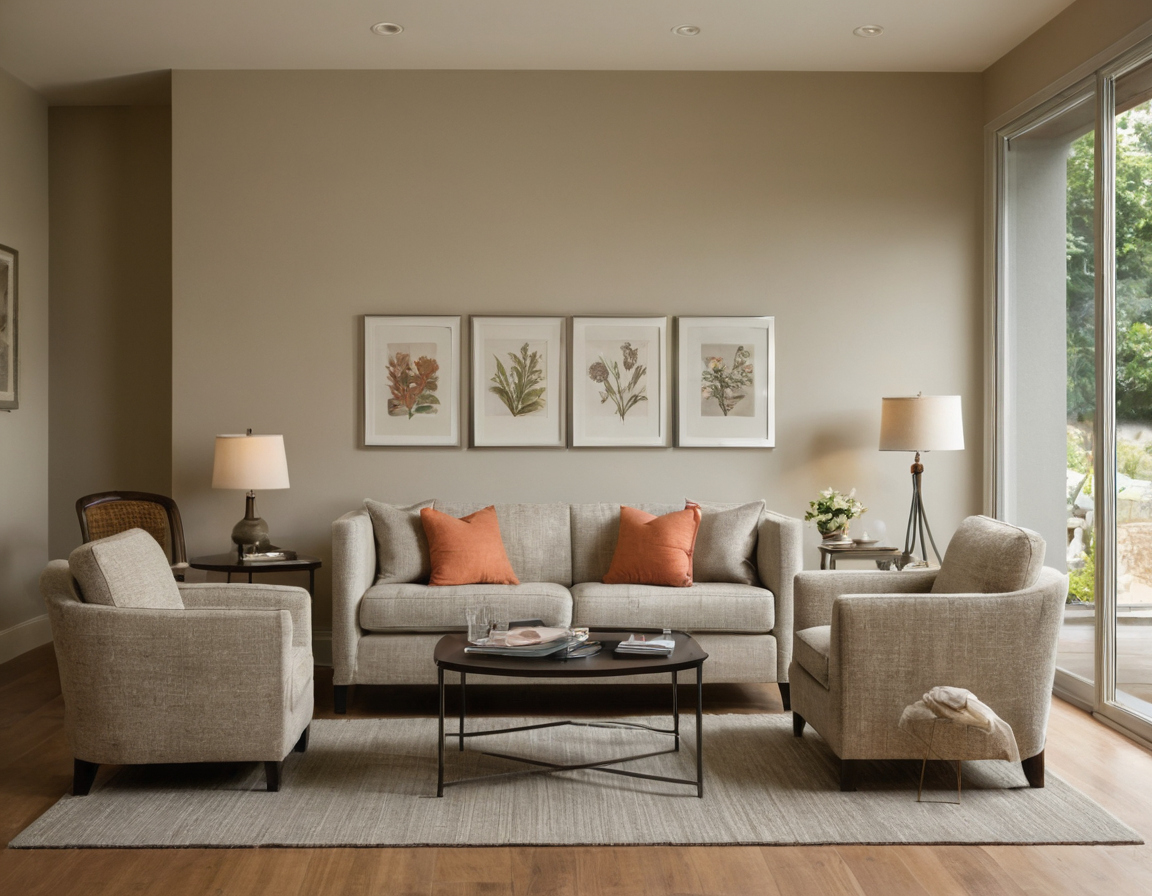
The 2-2-1 idea usually means two seats on one sofa, two seats on another sofa or loveseat, and one accent chair shown as a planning reference for layout, scale, and material decisions.
What is the four-seat rule for living room seating?
The four-seat rule means a living room should provide at least four usable seats for conversation, such as a sofa plus two chairs or a sectional with comfortable individual places. The rule helps entertaining layouts, but compact rooms may need movable stools, ottomans, or occasional chairs instead of permanent large furniture.
How do I know whether a sofa will fit through my door, hallway, stairs, or elevator?
Measure every pinch point on the delivery route: door openings, hallway widths, stair widths, landing depths, elevator interiors, ceiling heights, and tight turns. Compare those measurements with the packaged sofa dimensions and diagonal clearances before ordering, then confirm the retailer’s failed-delivery and cancellation policy in writing.