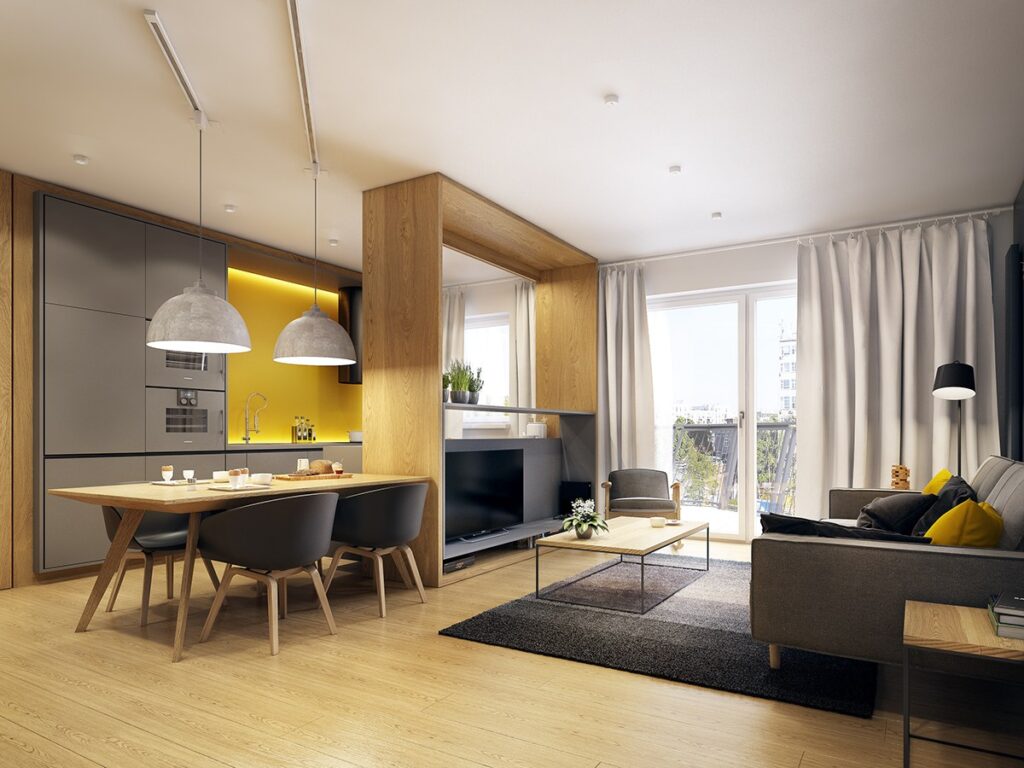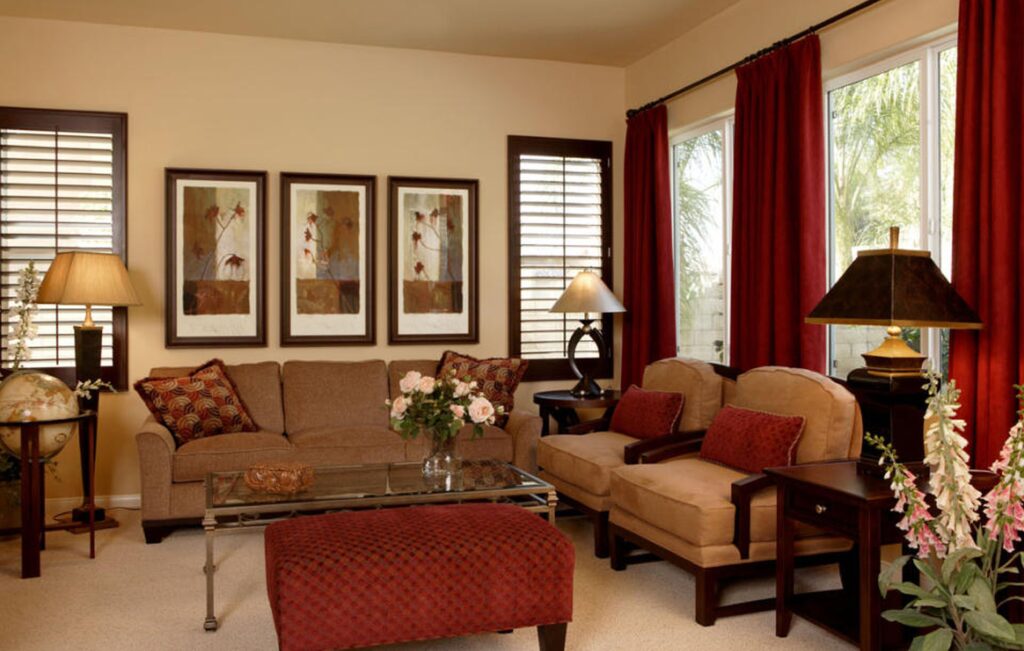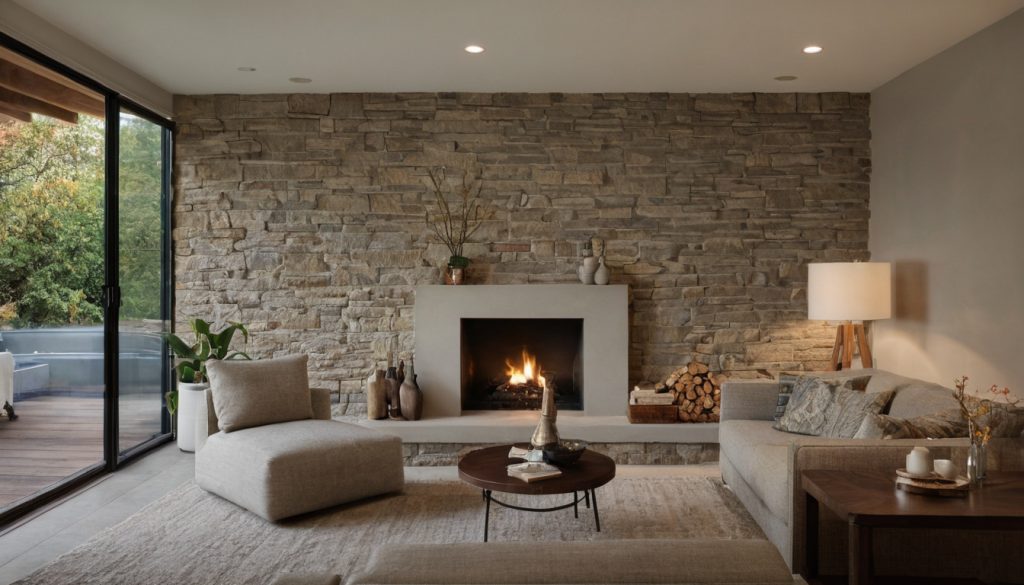
A discounted furniture package can cost more than selected pieces when an unwanted loveseat blocks a doorway, a recliner opens into the coffee table, or partial returns cancel the discount. A package saves money only if every paid-for piece passes the room, quality, cost, and service tests.
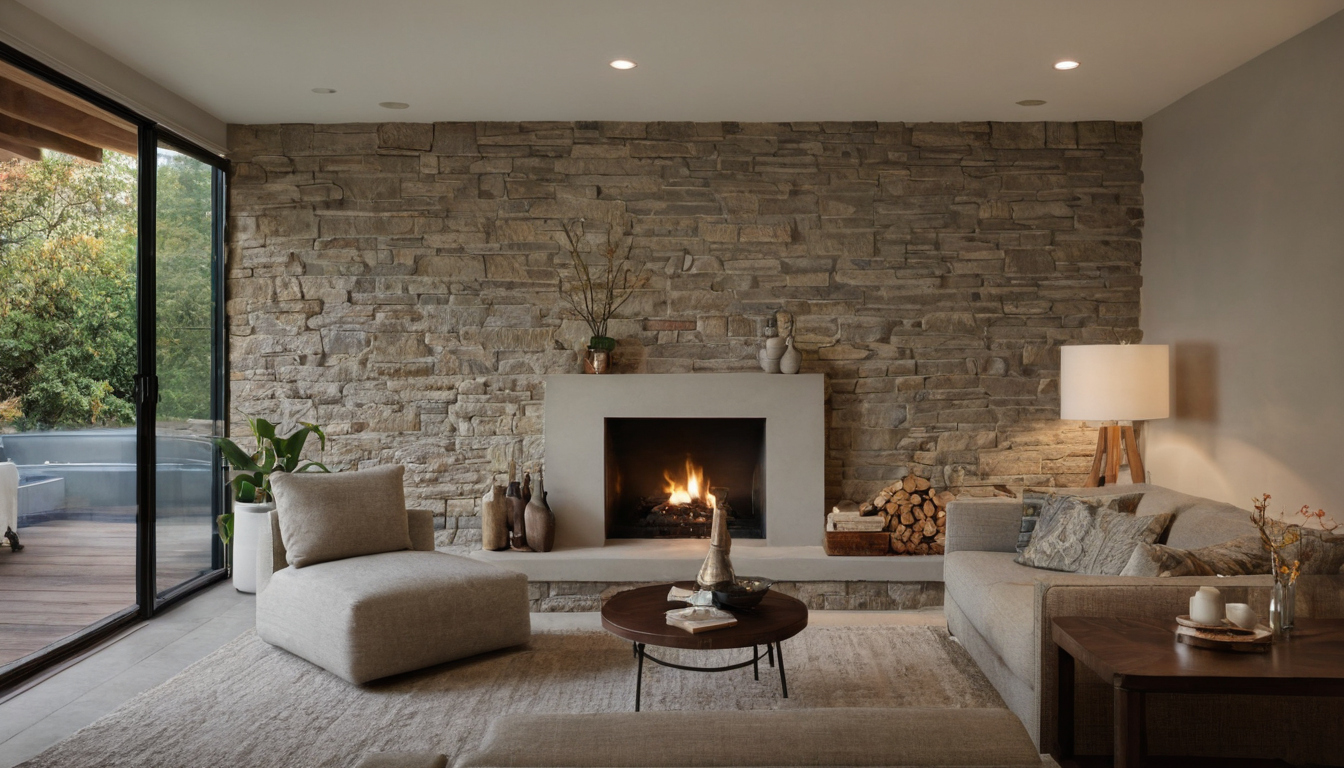
Coordinated Living Room Sets: When the Package Saves Money—and When It Creates Fit Problems shown as a planning reference for layout, scale, and material decisions.
When does a coordinated living room set actually make sense?
A coordinated living room set makes sense when every included piece serves a planned function, fits the measured room, meets the household’s durability needs, and costs less after delivery and assembly.
Retailers may use “living room set” for an upholstery group, a sofa-and-chair combination, matching tables, or a whole-room bundle containing seating, tables, storage, and accessories. Buyers must compare the exact contents rather than assume that similar collection names mean identical packages.
A livingroom set is strongest when procurement speed matters more than customization
One order can reduce sourcing time for relocations, furnished rentals, staging, and deadline-driven renovations. Coordinated availability does not guarantee coordinated delivery, however. Pieces from the same collection may have different production dates or arrive in separate shipments.
| Situation | Package advantage | Failure trigger | Verdict |
|---|---|---|---|
| First home | Fast basic furnishing | Budget spent on unused pieces | Conditional yes |
| Furnished rental | Simple procurement | Delicate finishes or excess seating | Often useful |
| Temporary staging | Consistent presentation | Storage and removal costs | Useful with an exit plan |
| Family room | Enough seating at once | Weak cushions or unsuitable upholstery | Inspect first |
| Small apartment | Fewer buying decisions | Blocked circulation or duplicate tables | Usually avoid |
| Long-term home | Immediate completeness | Limited replacement flexibility | Buy selectively |
Price pressure can make package discounts persuasive. NPR reported in November 2025 that living-room, kitchen, and dining-room furniture prices had risen 25 percent since February 2020, compared with nearly 26 percent overall inflation. The report also described tariff-related increases, including an increase affecting most products from one major furniture company and new double-digit tariffs on upholstered furniture. These dated market figures do not prove that a particular bundle is economical.
Special package features also need context. The National Park Service Museum Handbook addresses preservation, documentation, access, and use for collections, not ordinary residential display-cabinet quality. If a package includes lighting, ENERGY STAR states that qualified LED lighting uses at least 75 percent less energy and lasts up to 25 times longer than incandescent lighting.
A furniture package is a poor choice when one unwanted piece creates the discount
Illustrative calculation: a $2,400 sofa, loveseat, and chair package is not a bargain if the room needs only the sofa and chair, available separately for $2,150. Storing, reselling, or returning the loveseat can consume the apparent $250 saving, especially if removing it triggers package repricing. The next comparison is therefore landed cost, not the advertised total.
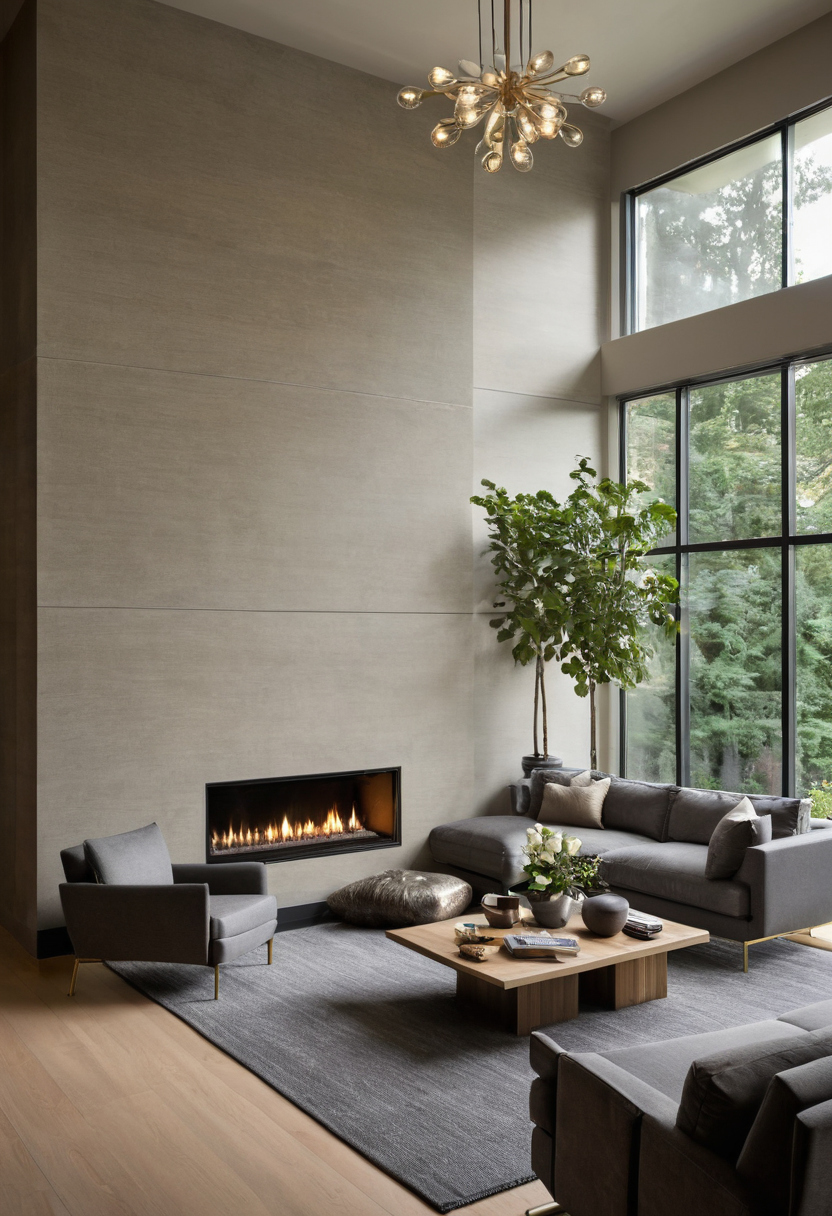
When does a coordinated living room set actually make sense shown with floor, wall, and fixture relationships visible.
The real price of a living room furniture package is the landed cost
Landed cost includes the purchase price, mandatory services, taxes, missing essentials, return exposure, and the cost of any piece the room cannot use.
How should buyers calculate the usable cost of a coordinated set?
| Cost item | Package | Selected scheme |
|---|---|---|
| Illustrative purchase price | $2,800 | $2,500 |
| Delivery and assembly | $350 | $300 |
| Unwanted-piece or return exposure | $300 | $0 |
| Adjusted usable cost | $3,450 | $2,800 |
This calculation is not a retailer quote. A valid ledger records the price-check date, exact models, delivery destination, taxes, promotion conditions, useful pieces, and missing essentials. If storage would sit against a damp wall, moisture correction also belongs in the project cost. The U.S. Environmental Protection Agency advises fixing condensation and wet or damp spots promptly to prevent mold growth.
Package financing can obscure the total furniture cost
- Compare the cash price with the total of payments.
- Check the annual percentage rate, term, fees, and deferred-interest conditions.
- Confirm whether a late payment changes promotional terms.
- Record membership, coupon, or complete-package requirements.
After the ledger works, every component must pass a physical fit test.
A coordinated living room set must pass a measured layout test
A set fits only when its complete operating footprint preserves circulation, door movement, equipment clearance, and practical relationships among seating, tables, lighting, and storage.
Which dimensions determine whether a furniture set fits?
- Map the room: Record wall lengths, door swings, windows, outlets, registers, radiators, fireplaces, and fixed millwork.
- Measure every item: Check width, depth, height, diagonal depth, seat height, arm height, and base configuration.
- Expand the footprint: Draw recliners extended, sleeper beds open, drawers in use, and swivel chairs turning.
- Verify access: Compare furniture and carton dimensions with doors, corridors, stairs, elevators, landings, and tight turns.
Establish focal points and room functions through these living room decisions to settle before buying a sofa.
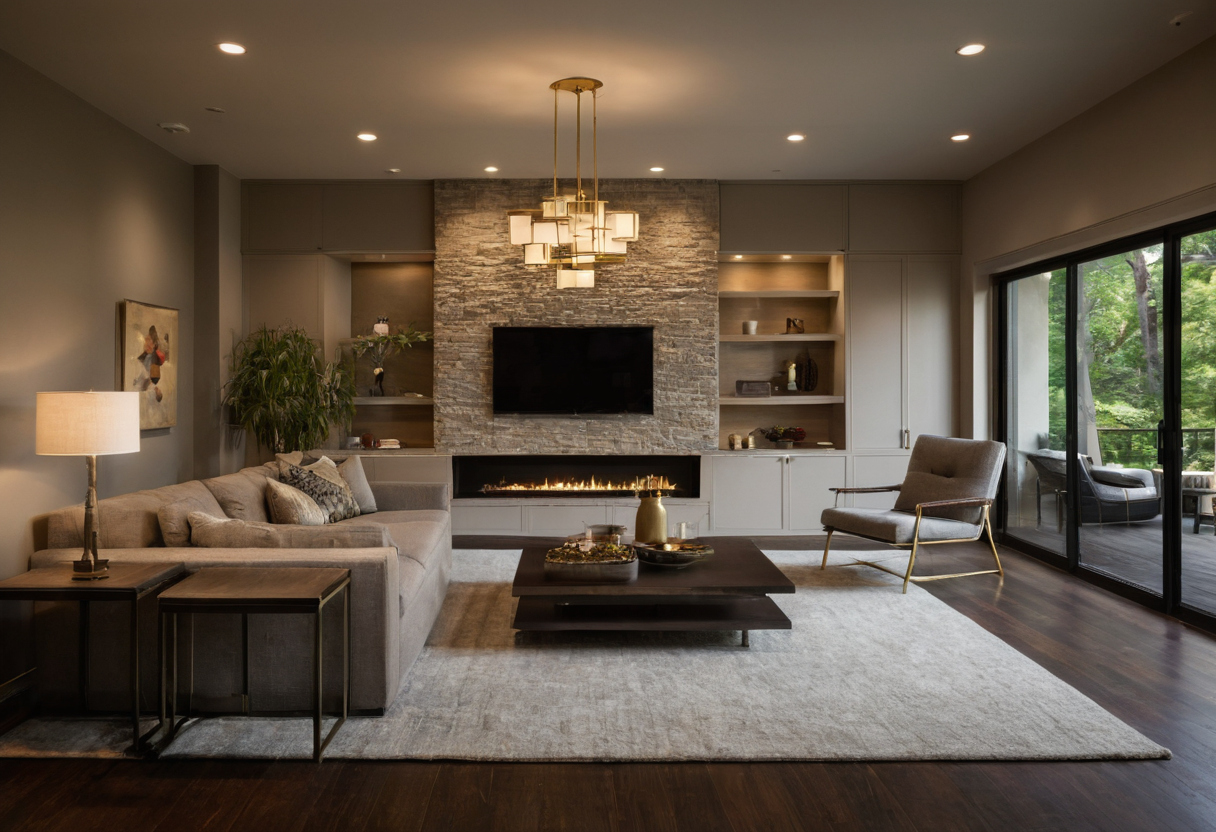
A coordinated living room set must pass a measured layout test shown as a planning reference for layout, scale, and material decisions.
The largest furniture-placement mistake is buying the package before testing circulation
A sofa and loveseat may fit inside a 10-by-12-foot room while the loveseat narrows the entry path or overlaps a door swing. Mark each operating footprint with tape and walk the routes used by residents, guests, and mobility aids.
For accessible-design contexts, the 2010 ADA Standards specify a 30-by-48-inch wheelchair clear floor space and place accessible dining or work surfaces 28 to 34 inches high. These requirements apply within their defined scope and are not automatic furniture-spacing rules for every residence.
The furniture two-thirds rule is a visual check, not a substitute for measurements
A two-thirds guideline may compare sofa width with a wall or table length with a sofa. Visual balance cannot prevent a recliner from striking a coffee table. Once the layout works, inspect the hidden construction of each matching piece.
Matching finishes do not guarantee matching furniture quality
Pieces can share fabric, color, hardware, and branding while using different frames, cushions, veneers, mechanisms, and warranty terms. Evaluate every component according to its expected use.
Which construction details should be checked on upholstered set pieces?
- Frame and support: Identify the frame material, joinery, suspension system, and stated weight capacity.
- Cushions: Record the core construction, reversibility, removable-cover status, and availability of replacement inserts.
- Upholstery: Confirm fiber content, cleaning code, seam treatment, and the evidence behind stain-resistance or performance claims.
- Motion components: Check operating clearance, power needs, outage operation, mechanism coverage, and parts availability.
- Warranty: Record coverage, exclusions, labor obligations, and transport costs for each item.
The U.S. Environmental Protection Agency’s indoor-air guidance identifies furnishings, paints, varnishes, waxes, cleaning products, and building materials as possible volatile organic compound sources. The agency recommends increased ventilation while using products that emit these compounds indoors.
Which construction details should be checked on tables and storage pieces?
- Identify solid wood, veneer, engineered wood, laminate, glass, stone, or composite surfaces instead of relying on a finish name.
- Inspect edges, joinery, drawer stops, slides, hinges, shelf information, and replacement-hardware availability.
- Confirm care restrictions and the safety or stability requirements applicable to the exact product and sales jurisdiction.
For stone tops, the Natural Stone Institute recommends neutral cleaners, stone soap, or mild detergent with warm water. The institute warns that abrasive powders and creams can scratch natural stone. Quality approval still leaves delivery, returns, and warranty administration to check.
Delivery, returns, and warranties can erase the convenience of a furniture set
A furniture set remains convenient only if every piece can enter the home, arrive on an acceptable schedule, and qualify for workable remedies when something fails.
Can one damaged or delayed item be removed from a furniture package?
- Get written terms for partial cancellation, substitution, split shipment, refused delivery, and package repricing.
- Confirm inspection and damage-reporting deadlines, including packaging-retention requirements.
- Check restrictions on opened, assembled, clearance, custom, and special-order pieces.
- Identify whether the retailer, carrier, or manufacturer administers each claim.
Will the furniture set fit through the delivery route?
- Compare carton and assembled dimensions with doors, turns, stairs, elevators, and the final room.
- Confirm removable legs, diagonal depth, stair charges, parking restrictions, and redelivery fees.
- Account for finished wall panel depth, installation, and repair considerations.
If one component fails, mixed furniture may provide greater flexibility than preserving the discount.
Mixed living room furniture usually provides better long-term flexibility
A selectively assembled room adapts better to moves, changing access needs, children, pets, and ownership beyond a collection’s retail life. Coordination can come from proportions and repeated materials rather than identical model names.
How can nonmatching furniture still look coordinated?
Align seat heights, balance visual weight, and repeat one or two elements such as warm wood, black metal, or an upholstery undertone. Table heights should suit adjacent seating. Use broader living room design ideas only after resolving dimensions, maintenance, daylight, and existing finishes.
What can replace an unwanted matching media console or TV-centered piece?
A bookcase, art wall, conversation layout, fireplace focus, projector, or concealed-media cabinet can replace a matching console. Confirm anchoring, electrical access, ventilation, glare, and viewing position before installation.
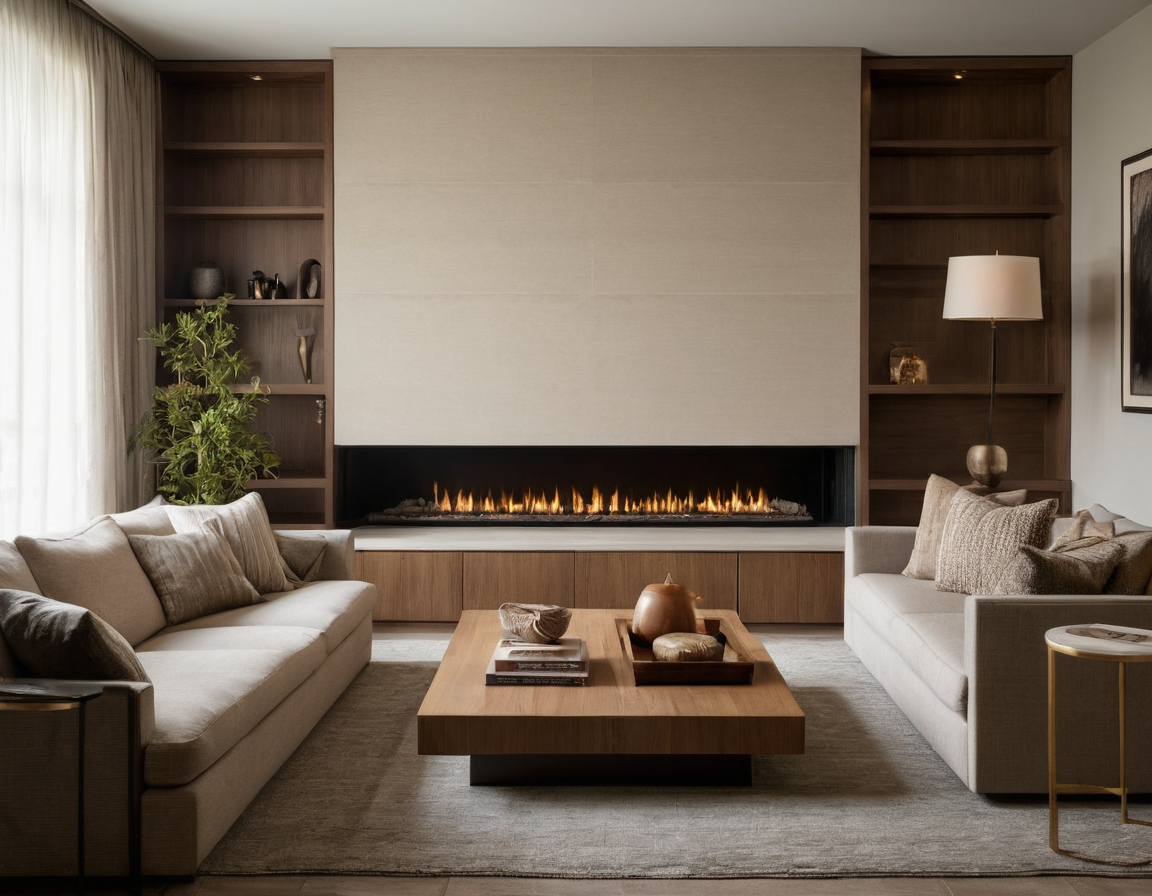
Mixed living room furniture usually provides better long-term flexibility shown with floor, wall, and fixture relationships visible.
A phased buying sequence reduces expensive furniture mistakes
- Measure the room, delivery route, and operating clearances.
- Buy anchor seating and test its placement.
- Add tables, storage, and lighting after checking heights and finish samples.
- Reserve money for delivery, assembly, window treatments, and future replacement.
The final step is to approve the proposed livingroom set component by component.
Use a pre-purchase scorecard before ordering a coordinated living room set
A set should be ordered only after it passes five tests: every piece serves a function, operating footprints fit, construction suits expected use, landed cost beats suitable alternatives, and service terms remain workable if one item fails. Any failed test is a reason to unbundle the purchase.
- Pass: Record each model number, function, dimensions, materials, price, warranty, and expected replacement options.
- Verify: Date the quote and add delivery, assembly, stair carry, packaging removal, tax, and missing essentials.
- Stop: Do not pay if specifications are missing, access is untested, upholstery is nonreturnable, or package-repricing terms remain unclear.
Which living room set warnings require clarification before payment?
Ask whether photographed lamps, rugs, pillows, and tables are included. Confirm that published dimensions apply to the exact configuration and that pieces can be deleted, substituted, canceled, or returned independently without repricing the package.
The order should identify stock status, shipment grouping, delivery level, assembly responsibility, damage procedure, return deadline, and warranty administrator. A buyer who cannot complete those fields is accepting an unknown cost rather than approving a bargain. Shop by approved component, not by collection name.
Frequently asked questions
What is the two-thirds rule for living room furniture?
The two-thirds rule is a visual proportion check between objects such as a sofa and wall or a table and sofa. It does not confirm circulation, operating clearance, or delivery access.
What is the biggest furniture-placement mistake?
The biggest mistake is ordering before drawing every item at its operating size, including open recliners, sleepers, drawers, and door swings.
Can one damaged, delayed, or unwanted piece be returned?
Retailer terms control the answer. Written policies should explain partial returns, substitutions, split shipments, package repricing, fees, and damage-reporting deadlines.
What quality problems should buyers check in sofas and chairs?
Check frame and suspension disclosures, cushion construction, upholstery care, mechanism coverage, replacement parts, and piece-specific warranty exclusions.
What can replace a matching TV console?
Alternatives include bookcases, concealed-media storage, an art wall, a projector, a fireplace focus, or a conversation layout that does not center the room on a television.